
The Professional Landlord Series
Every property will have problems. Professional landlords have a system.
The 2026 HHSRS updates raised the bar on what councils expect from landlords. This is the repeatable 9-step system that turns a stressful, expensive problem into a documented, defensible decision, every time.
Why This Matters
Property management has changed. The rules are stricter, the expectations are higher, and most landlords haven't caught up.
HHSRS, the Housing Health and Safety Rating System, is the framework councils use to assess your properties and hold you accountable. The 2026 updates raised the bar again: landlords who don't adapt face greater risk of enforcement, fines, and legal action.
When good landlords get caught out, it's rarely negligence. It's usually a lack of process. Professional landlords don't avoid problems, they know exactly what to do when problems arrive.
The Framework
The Professional Landlord System
A repeatable, 9-step framework for every property issue, not just mould. Damp, disrepair, tenant disputes, all of it.
Receive & Assess
Acknowledge the report. Gather the facts before drawing any conclusions.
Investigate
Visit the property. Inspect in person. Don't diagnose from a distance.
Gather Evidence
Photographs. Reports. Dates. Communications. All of it. Defence is evidence.
Identify the Root Cause
Don't treat the symptom. Find out why it's happening.
Decide & Implement
Make a documented, proportionate decision. Then carry it out fully, not partially.
Review & Close
Return. Reinspect. Confirm the problem is resolved, and document it.
Case Study
The Mould Report
A tenant reports mould in the bathroom. What happens next separates an average landlord from a professional one. Here is how the 9-step system was applied to a real property, start to finish.
This is a real case handled by PPS Property Management Ltd. Details have been anonymised to protect the tenant and landlord's privacy.
Receive, Assess, Investigate, Gather Evidence
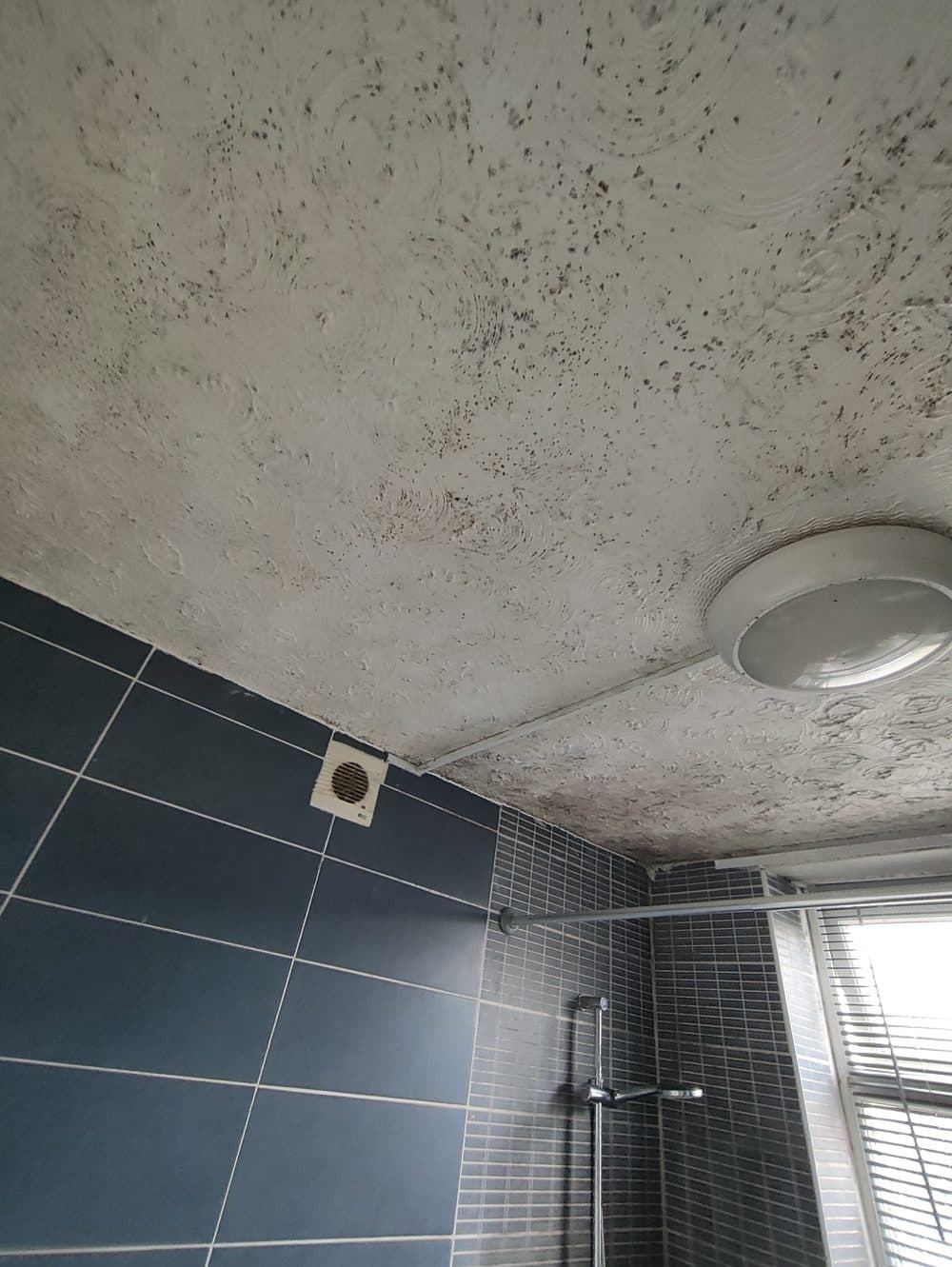
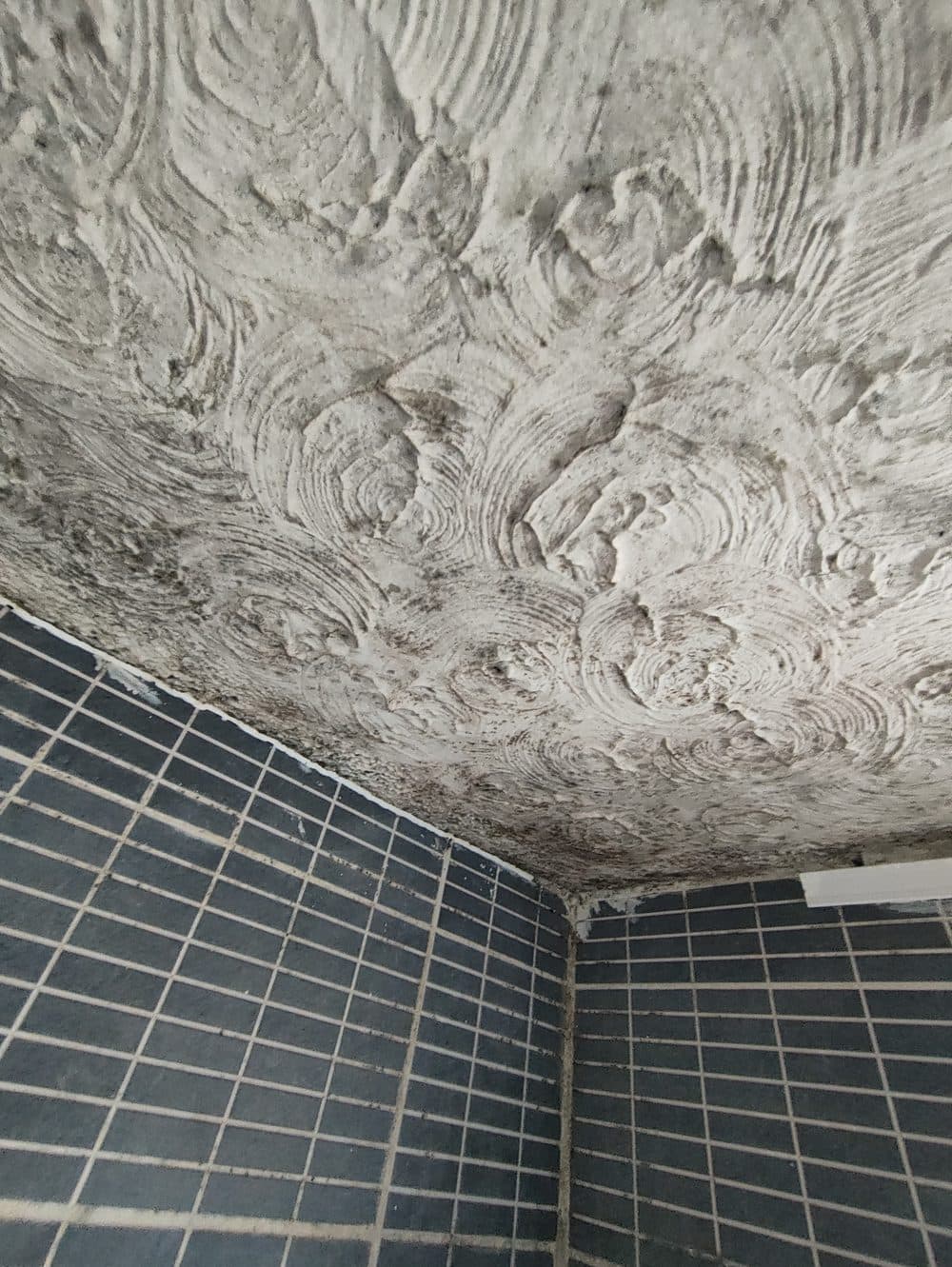
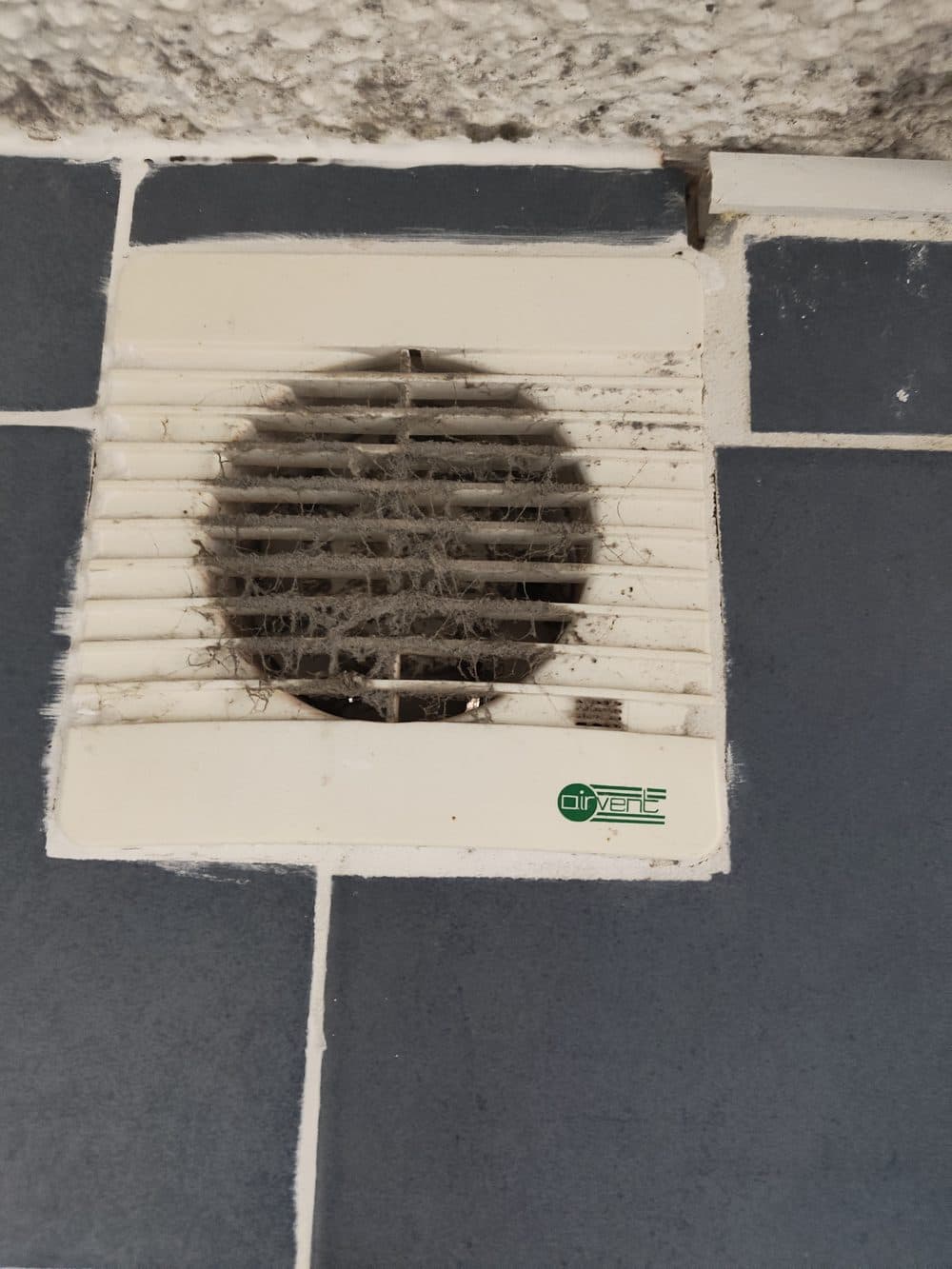
The evidence tells its own story. The ceiling shows dense black mould spreading across the textured surface, worst in the corners and around the light fitting, classic signs of trapped moisture with nowhere to go. The extractor fan, when inspected up close, is clogged with dust and fibre. Photographs, dates, and the condition of every fixture are recorded. Defence is evidence.
Identify the Root Cause
Don't treat the symptom. Find out why it's happening.
The mould itself isn't the root cause, it's the result. The extractor fan was clogged with dust and lint, restricting airflow, but the bigger problem was the fan itself: it had no overrun timer or humidity sensor, so it stopped the moment the light switch was turned off, often while the room was still full of steam. Combined with a north-facing bathroom window and limited natural ventilation, moisture had nowhere to escape after every shower. That combination, not a single leak or a one-off event, is what allowed mould to establish and spread across the ceiling over time.
This is the step most landlords skip. Wiping the ceiling down without addressing the ventilation failure would have brought the tenant a few weeks of relief and the landlord a repeat call-out.
Decide & Implement
Make a documented, proportionate decision. Then carry it out fully, not partially. The decision: a full mould remediation, not a quick clean, and a fix for the ventilation itself, not just the fan. That meant two full anti-fungal washes to kill the mould at the surface and below it, followed by a fungicidal sealant to prevent regrowth, followed by a full repaint once the sealant had cured. The extractor fan was replaced entirely with a unit fitted with a 15-minute overrun timer and a humidity sensor that triggers automatically once humidity passes 60%, so it now clears steam even if the tenant never switches the light on.
Total cost for the full remedial job, washes, sealant, repaint, and the new extractor fan: £210
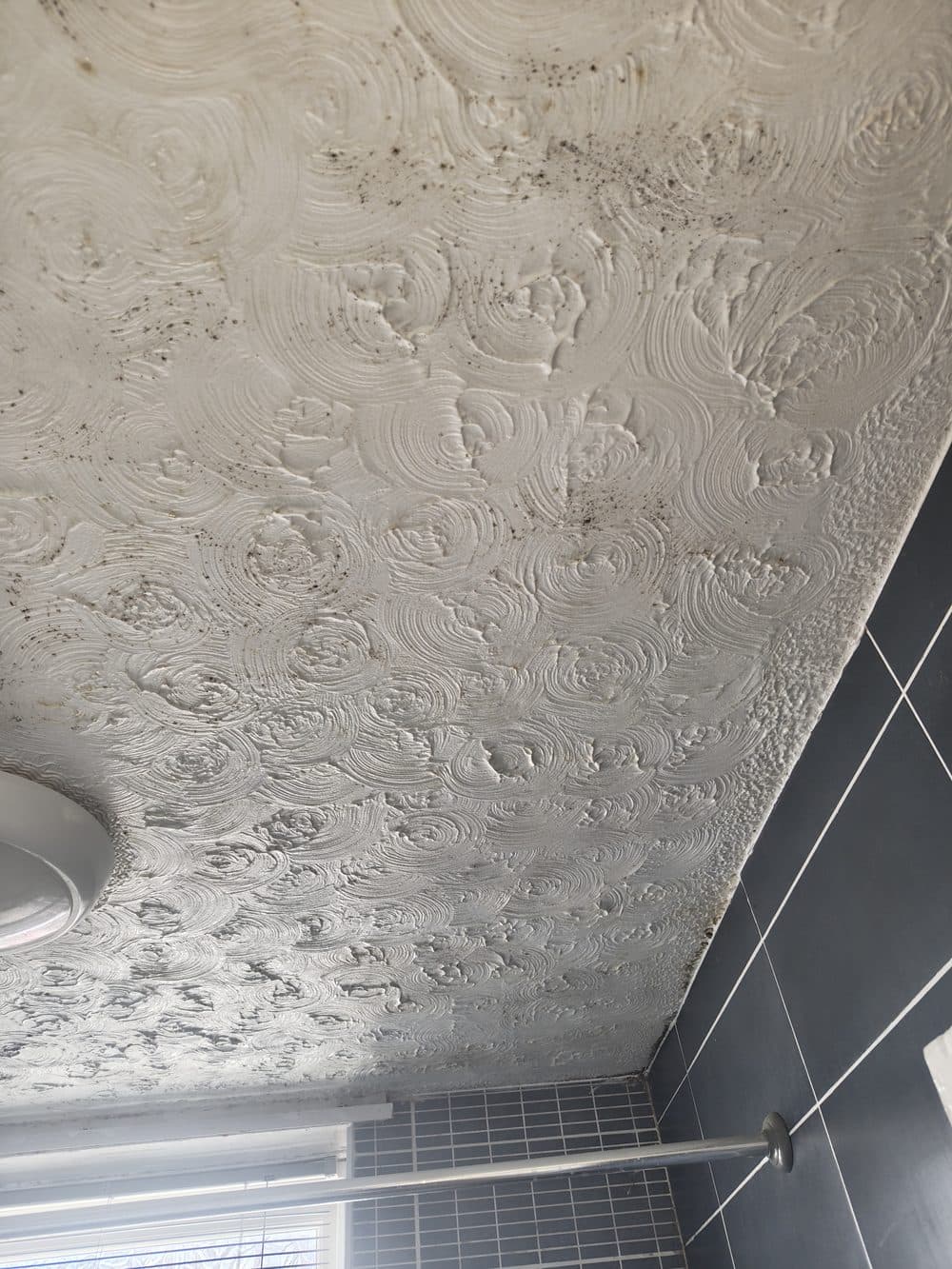
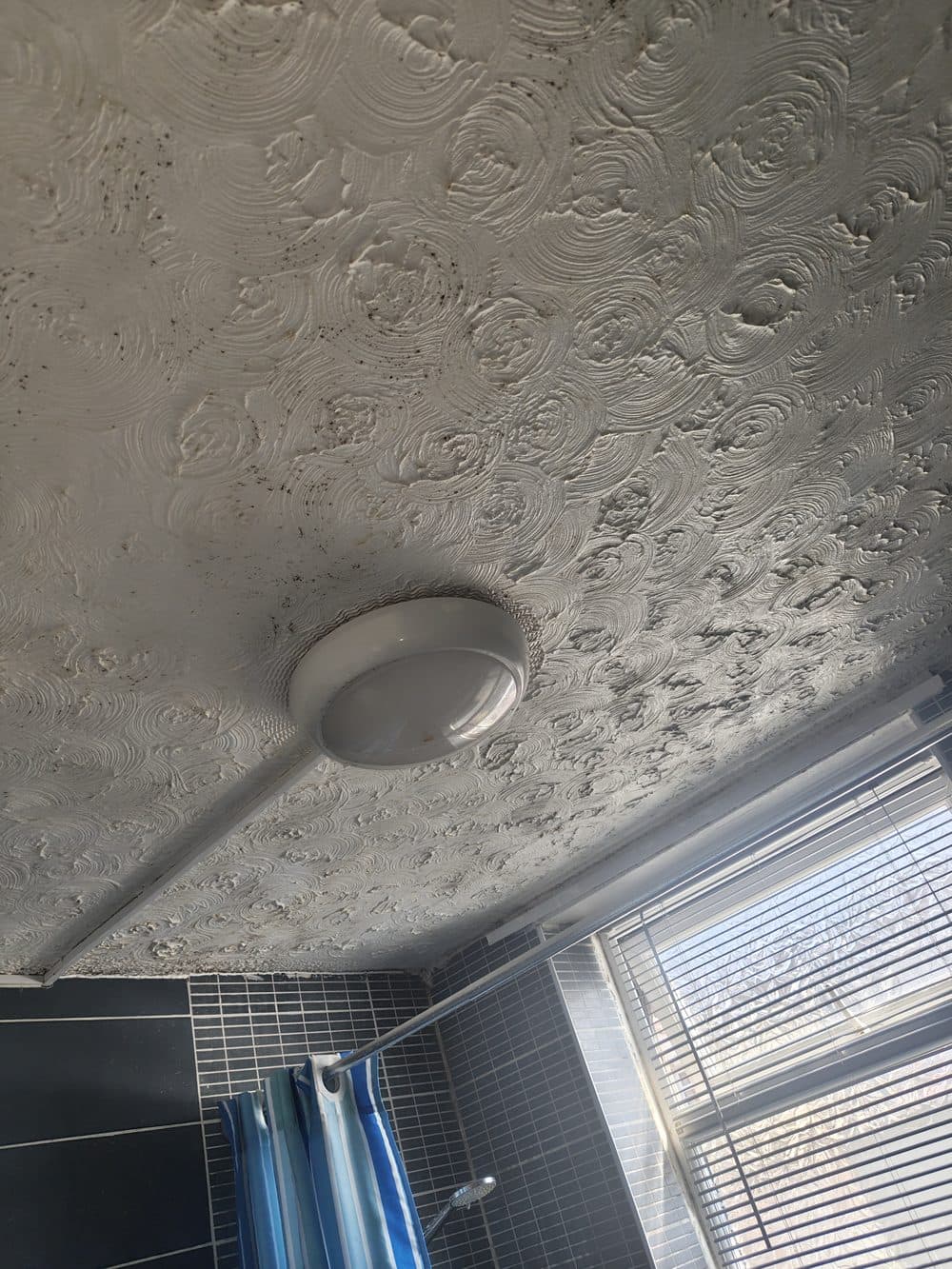
At this stage the mould is dead but not yet invisible. This is a deliberate part of the process, not a shortcut: the surface is washed and sealed first, then left before painting, so the treatment has time to work rather than being covered up prematurely.
Full Repaint
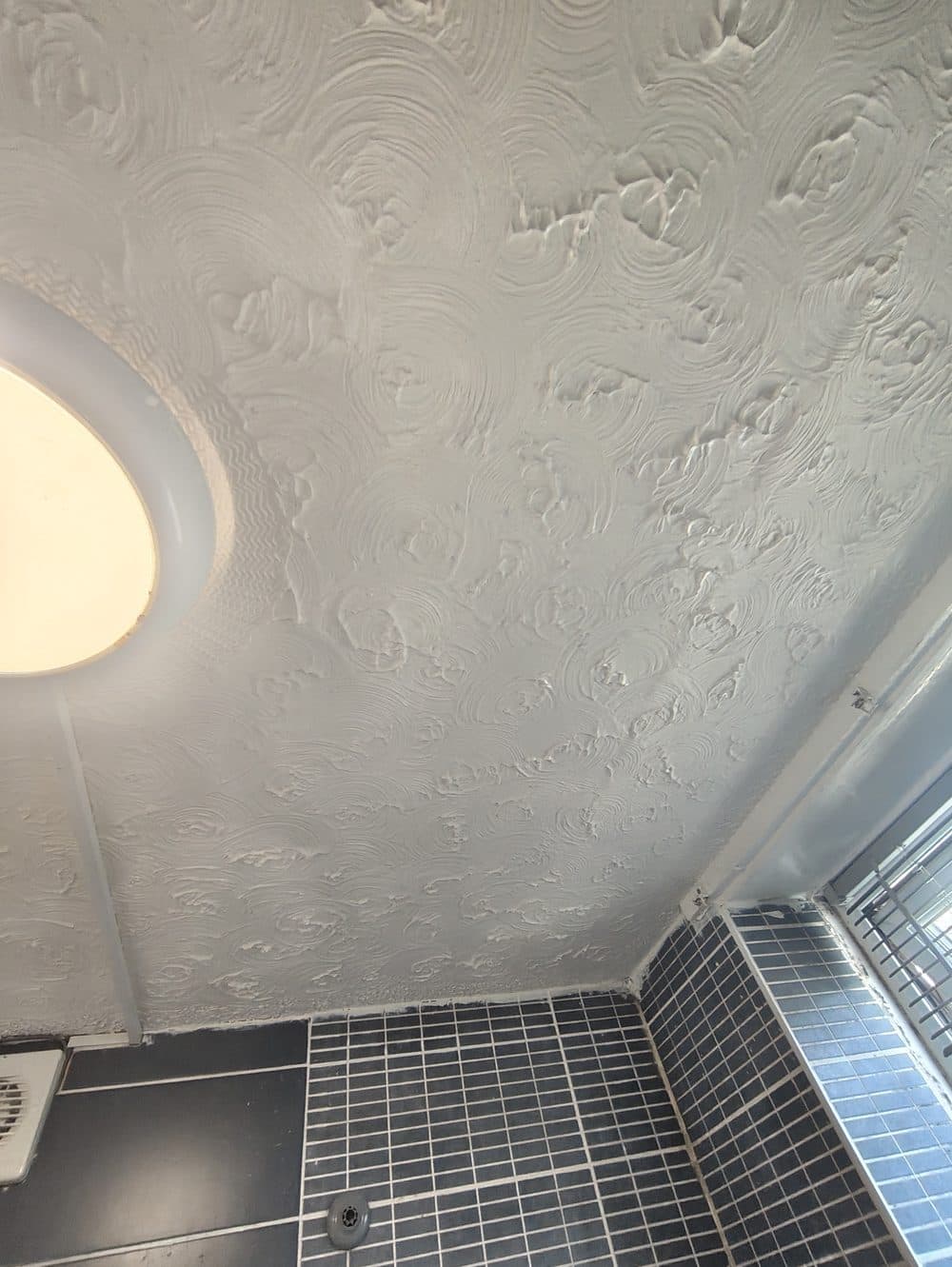
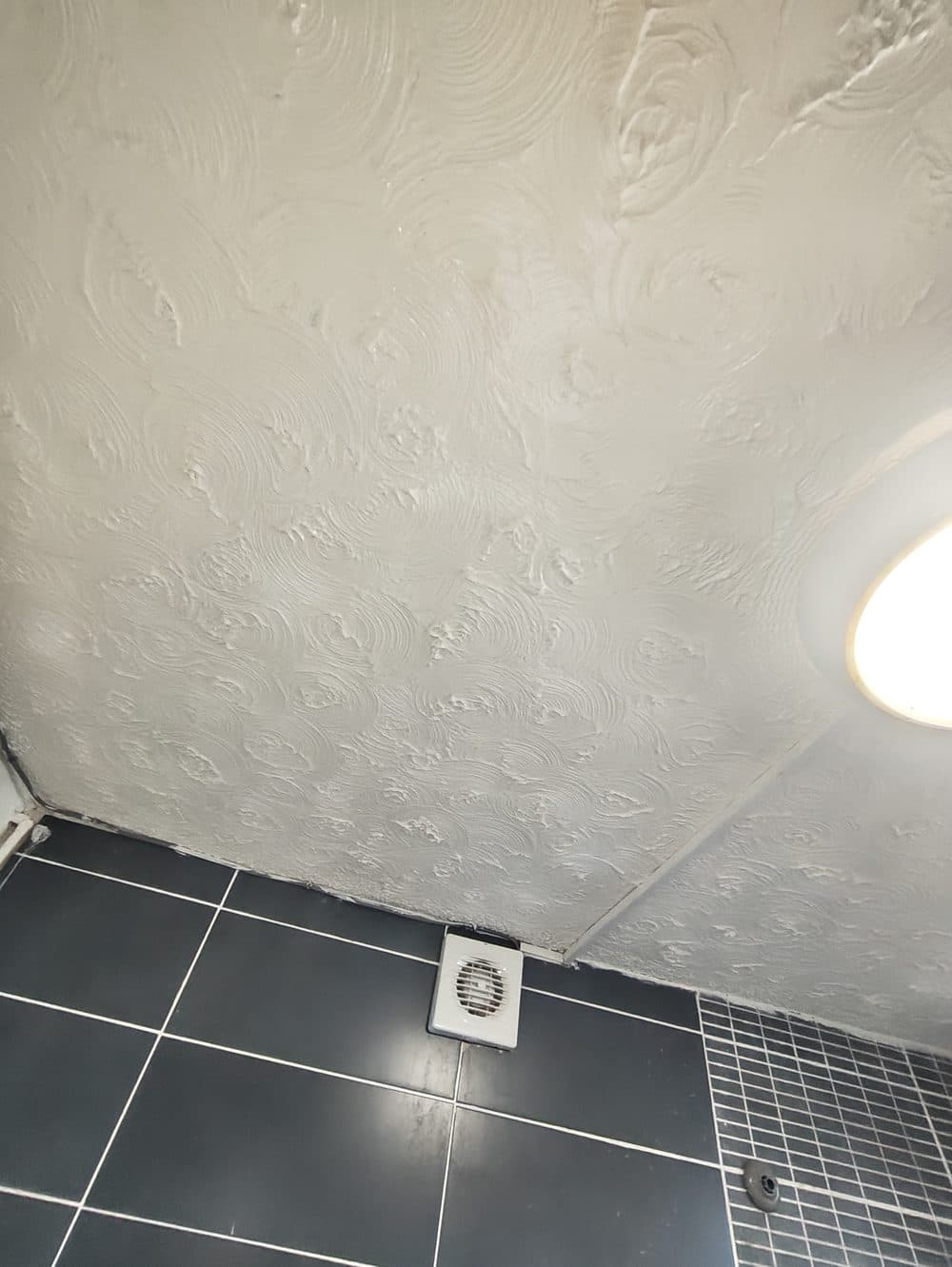
Once the sealant had properly cured, the ceiling was fully repainted, restoring the original textured finish with no trace of the original staining.
Review & Close
Return. Reinspect. Confirm the problem is resolved, and document it. The property was revisited after a monitoring period to confirm there was no regrowth, that the extractor fan was functioning correctly, and that the tenant had no further reports. Only once that follow-up inspection was clean was the case formally closed.
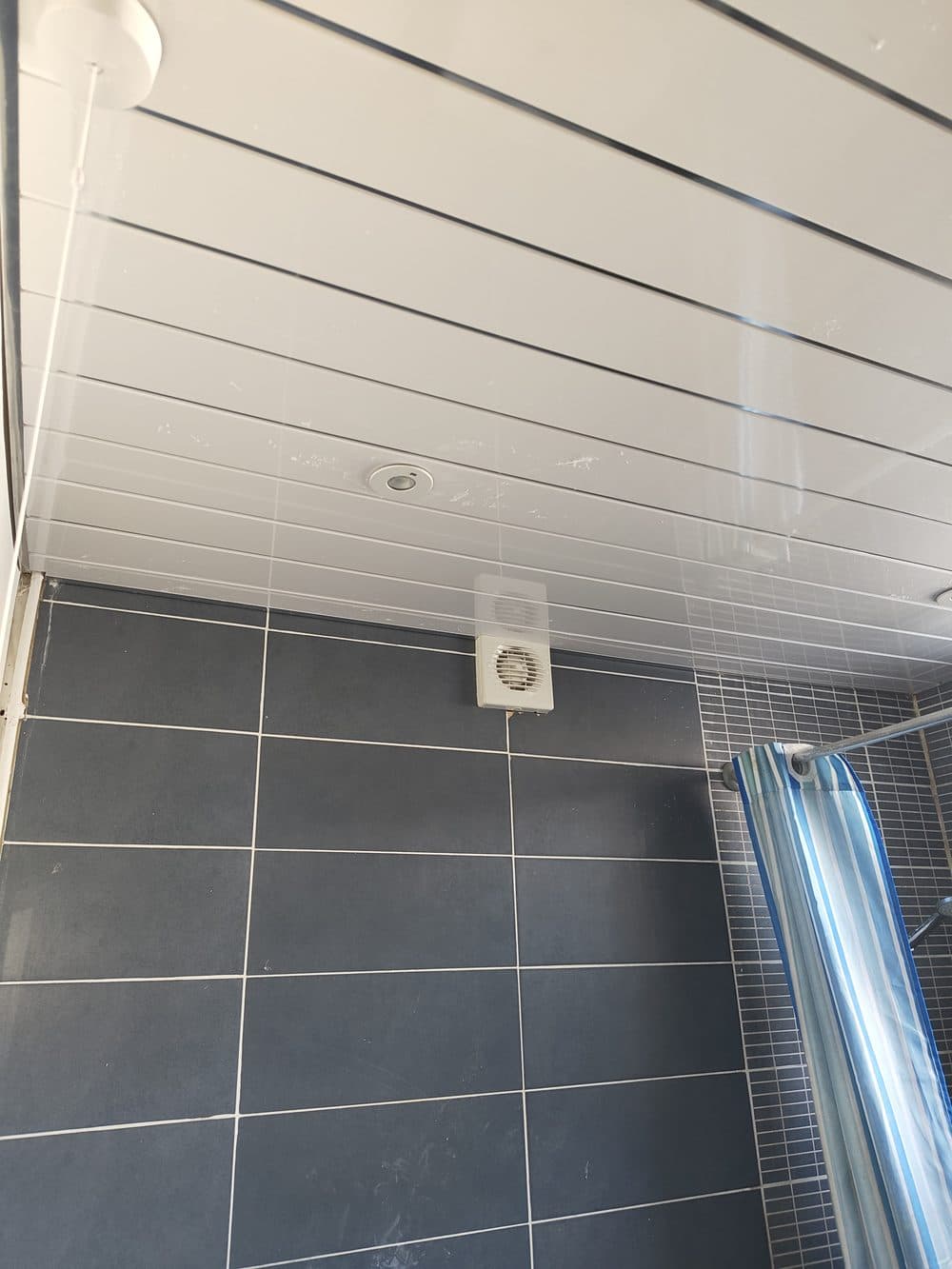
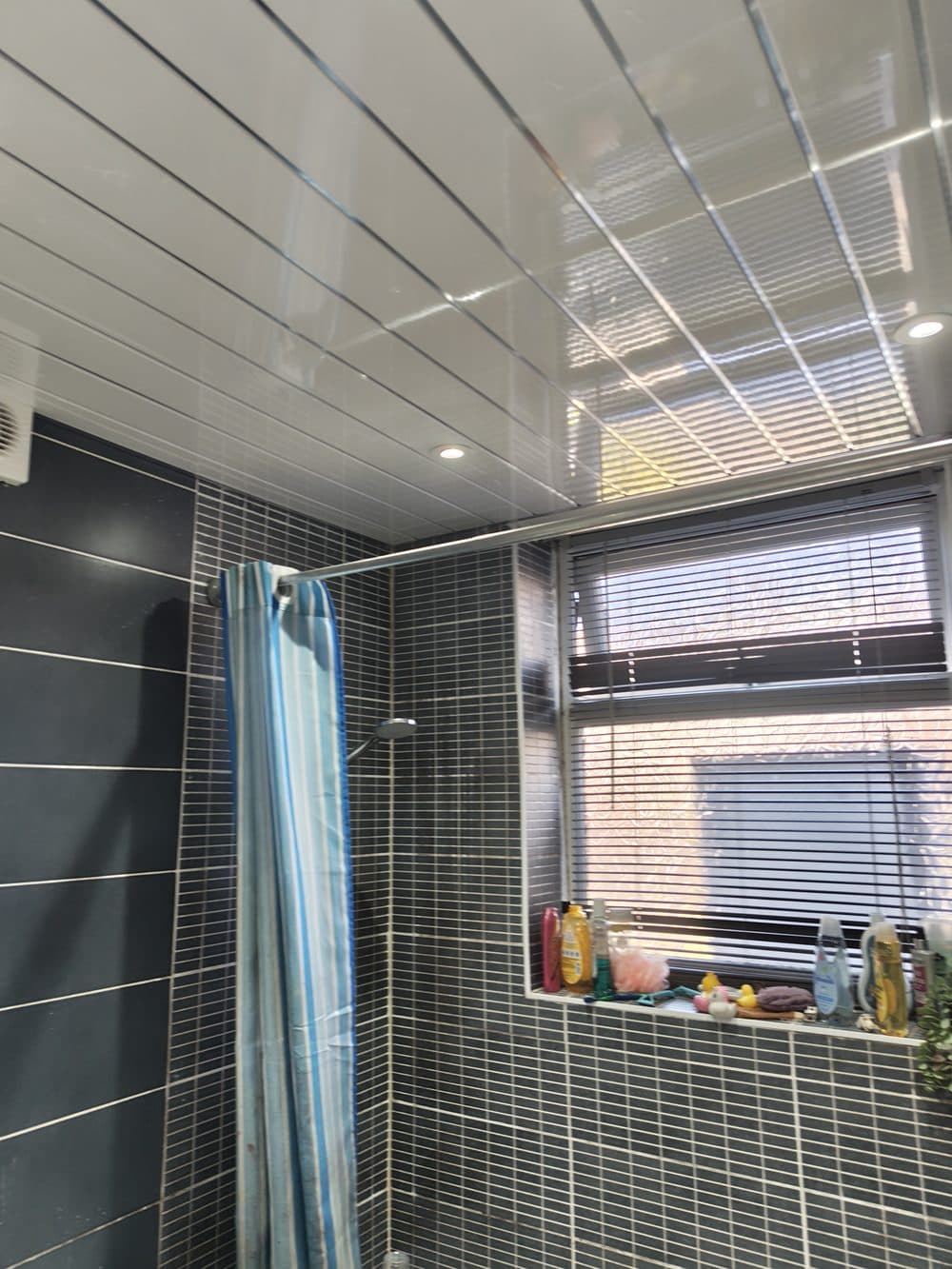
Photographic proof of the ‘before’ state, the treatment stages, and the confirmed ‘after’ state now sits in the case file. If Environmental Health ever asked to review it, every step from the initial report to the final sign-off is documented, dated, and defensible.
Could You Defend Your Decisions?
“If Environmental Health asked to review your case file tomorrow, would you feel confident handing it over?”
- ✓Tenant report received
- ✓Risk assessed
- ✓Inspection completed
- ✓Photographic evidence
- ✓Contractor findings
- ✓Root cause identified
- ✓Appropriate remedial works
- ✓Follow-up inspection
- ✓Review completed
- ✓Case closed
Defence is Evidence.
Three Ways We Can Help
Wherever you are on your journey as a landlord, from learning the system yourself to handing the whole thing over, there's a next step here.
The Professional Landlord Series
The framework itself, taught step by step, so you know exactly what to do the moment a problem arrives.
ImplementTemplates, checklists & systems
The tools that turn the 9 steps into something you actually run every time, not just something you know about.
DelegatePPS Property Management Ltd
Hand the whole process over to Steve's own property management company, and let them run the system for you.
Protect Your Portfolio
Every property will have problems. The question is whether you'll have a system when it happens, or be figuring it out for the first time under pressure.
Book a Portfolio Review Call